Hello from Hamburg,
The other day, I overheard a lunchtime conversation at the next table. The mood was gloomy: complaints about Trump, regulatory madness, Germany’s decline, the incompetent government, wars, and the climate crisis. Add to that thoughts of fleeing (“where to, though?”) and resigned shrugs. The Financial Times describes dilapidated schools, crumbling bridges, and unreliable trains in Germany. The author Christian Kracht is quoted as saying, “How terrible that we live in this era.” The Süddeutsche Zeitung cites a global survey of 10,000 adolescents, three-quarters of whom find the future frightening, and more than half of whom expect the end of humanity. Everything is getting worse, and when someone takes action, it’s either wrong, not enough, or too late. Pessimism is booming.
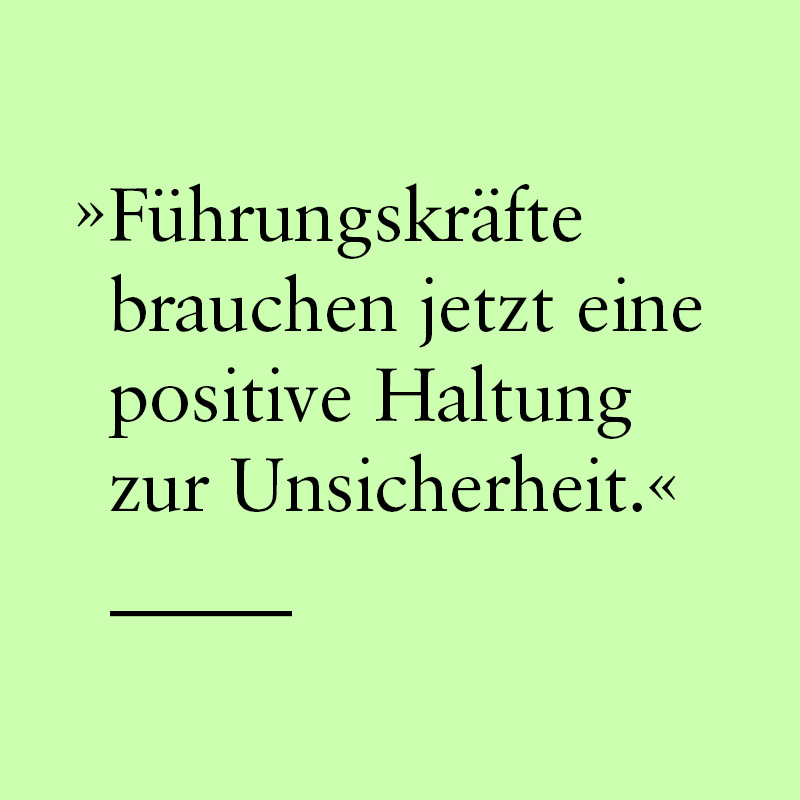
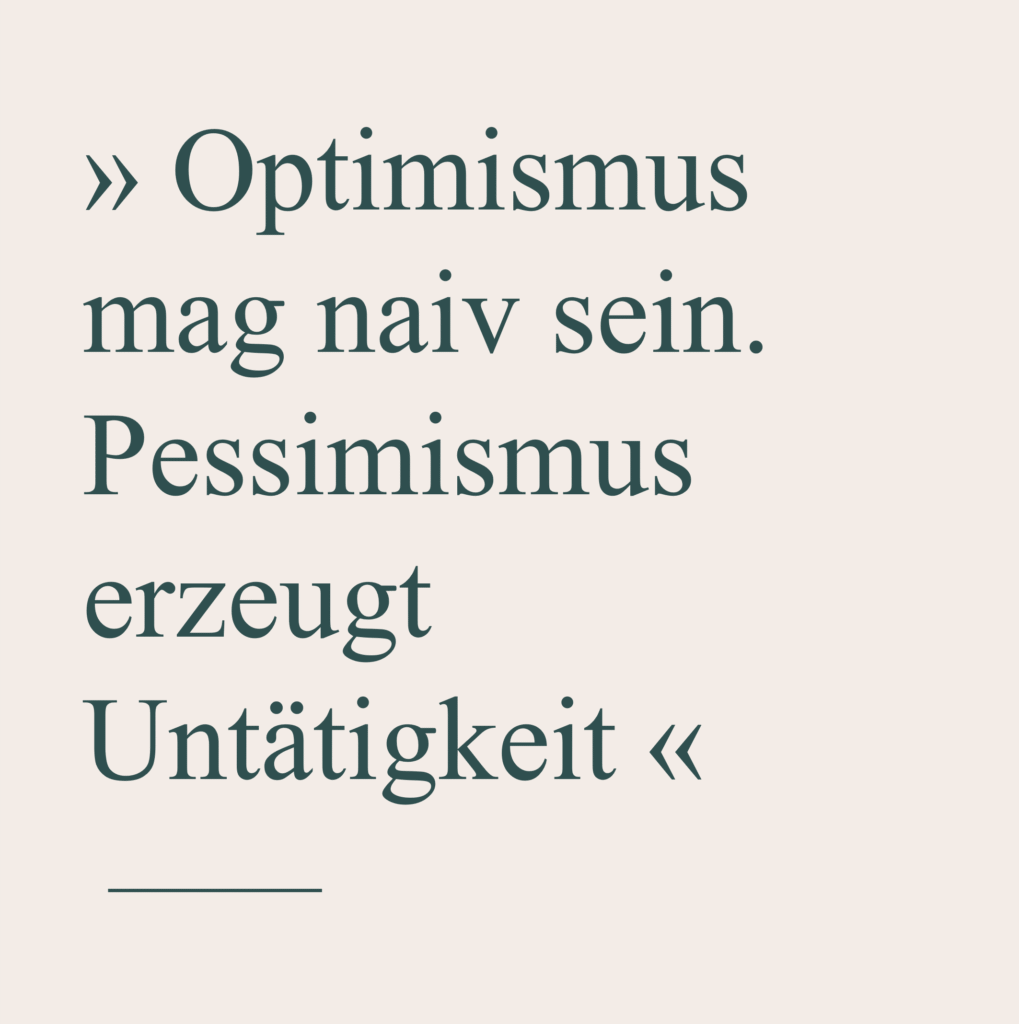
As accurate as many of these findings may be—I don’t want to join the chorus of complaints. Maybe because I’m a Rhinelander with an innate cheerful disposition. Or because the facts tell a different story: life expectancy is rising, extreme poverty and inequality are falling, and technological progress in key fields of the future—such as medicine, nutrition, energy, and the environment—is growing exponentially. Pessimism is self-pitying, complacent, and gets us nowhere. Psychologists call this a “problem trance”: Those who constantly focus on the negative can no longer see a way out.
Instead, it might help to look at someone who has experienced horrific human cruelty firsthand. In 1946, psychiatrist Viktor Frankl, a survivor of the Dachau concentration camp, gave a lecture on optimism in the wake of catastrophe. His appeal: Don’t hope for one great leap forward, but rather make many small steps possible—progress in the plural. Applied to our time, this means that every German has reduced their CO2 emissions over the past 10 years (adjusted for the pandemic). Or that 40% of the German population is permanently engaged in local volunteer work. Micro-optimism can make a difference.
Resilience is demonstrated in crises that we face with optimism. The history of the modern era is a series of upheavals from which humanity has recovered with astonishing resilience. In his book *Moments of Shock*, historian Harold James uses the example of global economic crises to illustrate how adaptable liberal-democratic societies have been. And so it continues: The COVID-19 pandemic has given rise to more effective and efficient ways of working. Climate change is forcing us to reconnect with nature. The threat to democracy is heightening our awareness of our responsibility for freedom. I believe that Europe and the democracies, with their intricate decision-making and negotiation processes—which are better suited to today’s complex challenges—will prove stronger than the autocracies.
In day-to-day leadership, optimism becomes a driving force when we celebrate successes. We view the company’s challenges as a struggle to ensure the long-term viability of jobs. We encourage employees to write down one thing that made them happy each day and share it with the team the next morning. We learn to marvel at things that seem to go without saying.
For example, the fact that at the end of the business lunch mentioned at the beginning, the participants wished each other a wonderful summer vacation. It doesn't seem to be quite as bad as that after all…
How does your optimism shine through in your teams and organizations?
Feel free to write to me!
Yours, Markus Baumanns