
Hello ChatGPT—is harmony important in leadership team collaboration? “…Here are a few reasons why harmony in collaboration is crucial:
- Better Communication: Harmony fosters open and respectful communication. (…)
- Higher Productivity: When a team works together harmoniously, there is less friction and conflict that could disrupt workflows. As a result, the team can work with greater focus, and tasks are completed more efficiently.
- Motivation and Satisfaction: A harmonious work environment contributes to employee satisfaction. (…)”
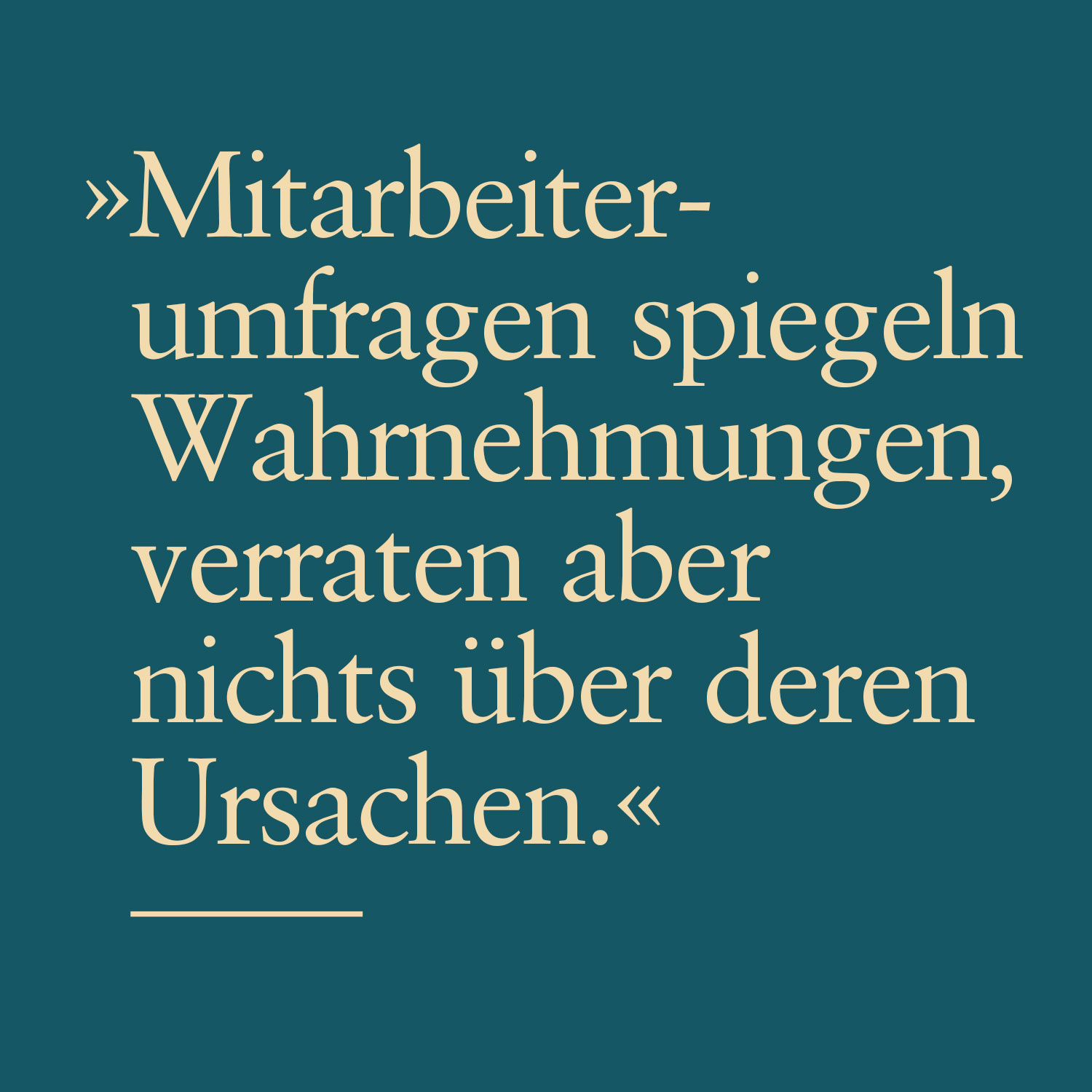
…and so it goes. Sounds reasonable. But then why this post? Is harmony really the key indicator of good teamwork? Recently, in a workshop: The leadership team is tense. Some members are new, while others have known each other for many years. They take pride in the company’s family-like culture. Harmonious collaboration is important because, when the atmosphere is just right, the work takes care of itself. Decisions are made only after thorough discussions—and are meant to avoid hurting anyone’s feelings. ChatGPT would be proud—but wait a minute. Why is the team so tense? Because a survey of employees regarding the situation at the company and the management consultant’s unvarnished assessment have really put a damper on things: The leadership team is accused of having unclear expectations, a lack of courage to make decisions, a vague sense of identity, inhibited collaboration, and a lack of presence.
Management teams are tasked with solving problems in a sustainable way. The required solution will clash with certain interests, restrict freedoms, and disappoint expectations. To do this, they must be willing and able to engage in and resolve conflicts. The alternative would be to accommodate interests in a way that satisfies everyone. While this creates harmony, it does not solve the problem.
The leadership team has realized that, out of a desire for harmonious cooperation, they have for too long failed to address conflicts constructively. But they must do so now. Leadership is about setting boundaries, not creating a harmonious bubble. The team found it helpful to grapple with the admittedly demanding requirements placed on leadership teams:
- Commitment to team development.
- Process reliability, experience, and courage.
- "I disagree, but I'll go along with it."
- Trust in our colleagues.
- The ability to maintain emotional distance and manage conflict in their respective roles.
- A good dose of humor.
At the end of an emotional and intense workshop, the leadership team was ready to embark on this journey together. They laid “the fish on the table” and engaged in constructive debate. Together, they agreed on actions and responsibilities. They are prepared to face more conflicts in the future and to prioritize harmony less. I mean: In time, they’ll be more closely connected than before, based on mutual respect. It might not feel like harmony—but it still feels good. Sorry, ChatGPT—but the ability to handle conflict is more important than harmony.
How willing and able are you to handle conflict? How does your team handle this?

Photo from Pixabay: https://www.pexels.com/de-de/foto/gestapelt-von-steinen-im-freien-289586/