
Hello from Hamburg,
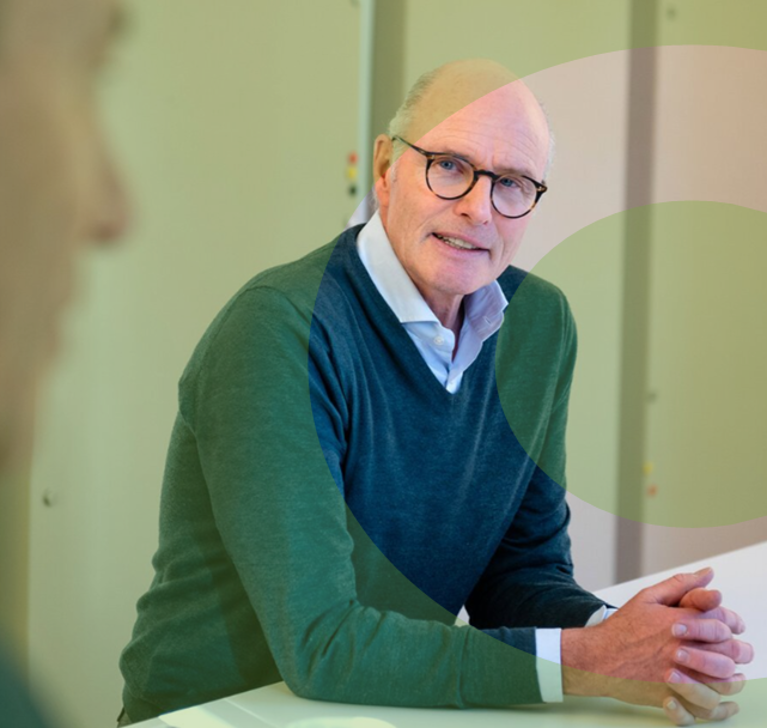
In a must-listen episode of the podcast “Digitalwerk Transformation – Construction, Trades, and Real Estate,” contractor Hubert Rhomberg addresses the issue of the skilled labor shortage: “There are enough workers out there. Just not enough for everyone.” He then explains how he has developed his fourth-generation family business into one of the most innovative and sustainable companies in the construction industry.
Rhomberg’s provocative statement provides a good opportunity to get to the bottom of the oft-repeated complaint about the shortage of skilled workers and managers in Germany. And lo and behold: there is some evidence to suggest that this might be a myth. At the very least, the simple demographic equation—“Baby boomers are retiring from the workforce, and the smaller birth cohorts are not compensating for this loss”—or the theory that “new generations want to work less” seems to miss the point.
Upon closer inspection, it becomes clear that most studies on the shortage of skilled workers use the current employment situation as a benchmark. The data are based on reported job openings and the number of unemployed individuals registered with the Federal Employment Agency, which are categorized by occupation—a classification system that was last revised more than ten years ago and is therefore outdated. The number of job openings is then compared to the number of managers and skilled workers who will be retiring in the coming years. Issues such as skilled immigration, long wait times for visas to study in Germany and for work permits, and the non-recognition of international academic or vocational degrees are mentioned at best, but have no corrective effect on the findings.
Furthermore, the long-term viability of the effectiveness and efficiency with which companies operate today is rarely questioned. Questions that all companies are currently asking themselves—such as “Will we still be competitive in the future with what we’re doing today?” or “Will we still work the same way in the future as we do today? Do we even need this many people anymore?”—have no bearing on the assessment of the skilled labor shortage.
At the same time, we’ve noticed that when companies post job openings, they don’t ask themselves often enough whether the vacant position really needs to be filled exactly the same way again. HR managers primarily look for technical skills that match the job—the ability to handle uncertainty and change is assessed less frequently. Instead, job postings for junior managers often state that three to five years of professional experience are required for the position—even when the posting is aimed at entry-level candidates. In general, entering the workforce is, in practice, particularly difficult for college graduates. The ideal candidate is someone who fits seamlessly into the role from day one and performs her duties satisfactorily. Managers often claim that there is a lack of time and resources for the challenges (and opportunities) of talent development. So instead of developing professionals to tackle the critical issues of the future, many HR managers prefer to join the chorus of complaints—and tend to hire those they know and from whom they expect no unpleasant surprises. People with disabilities? Those with an immigrant background? Refugees? Let’s be honest: the hiring process is a breeding ground for prejudice and comfort zones—despite all the lip service and glossy corporate reports on inclusion and diversity.
So is the widespread complaint about a shortage of workers really just a reflection of complacency and a reluctance to change? Or is it a reflection of a mindset rooted in the German economy’s status quo, which is ill-suited for the future?
In his podcast, Rhomberg points out another aspect of the supposed shortage of skilled workers: We have forgotten how to let companies die. He is referring to “zombie companies”—that is, heavily indebted firms that the EU or the government are keeping artificially alive through subsidies. In doing so, they sacrifice long-term economic stability for short-term effects on the labor market and further constrain capacity for healthy companies.
To maintain his company’s appeal, Rhomberg emphasizes humanity in how people interact with one another, curiosity and a spirit of innovation—which attract talented people—and a culture of knowledge sharing.
What approaches and methods have proven effective for you in attracting and retaining top talent?